SuggestDoctor

Find the right specialist

Hair Transplant Blogs

Expert-written guides to help you understand procedures, recovery, costs and long-term results.

How to Find the Best Hair Transplant Doctor Online

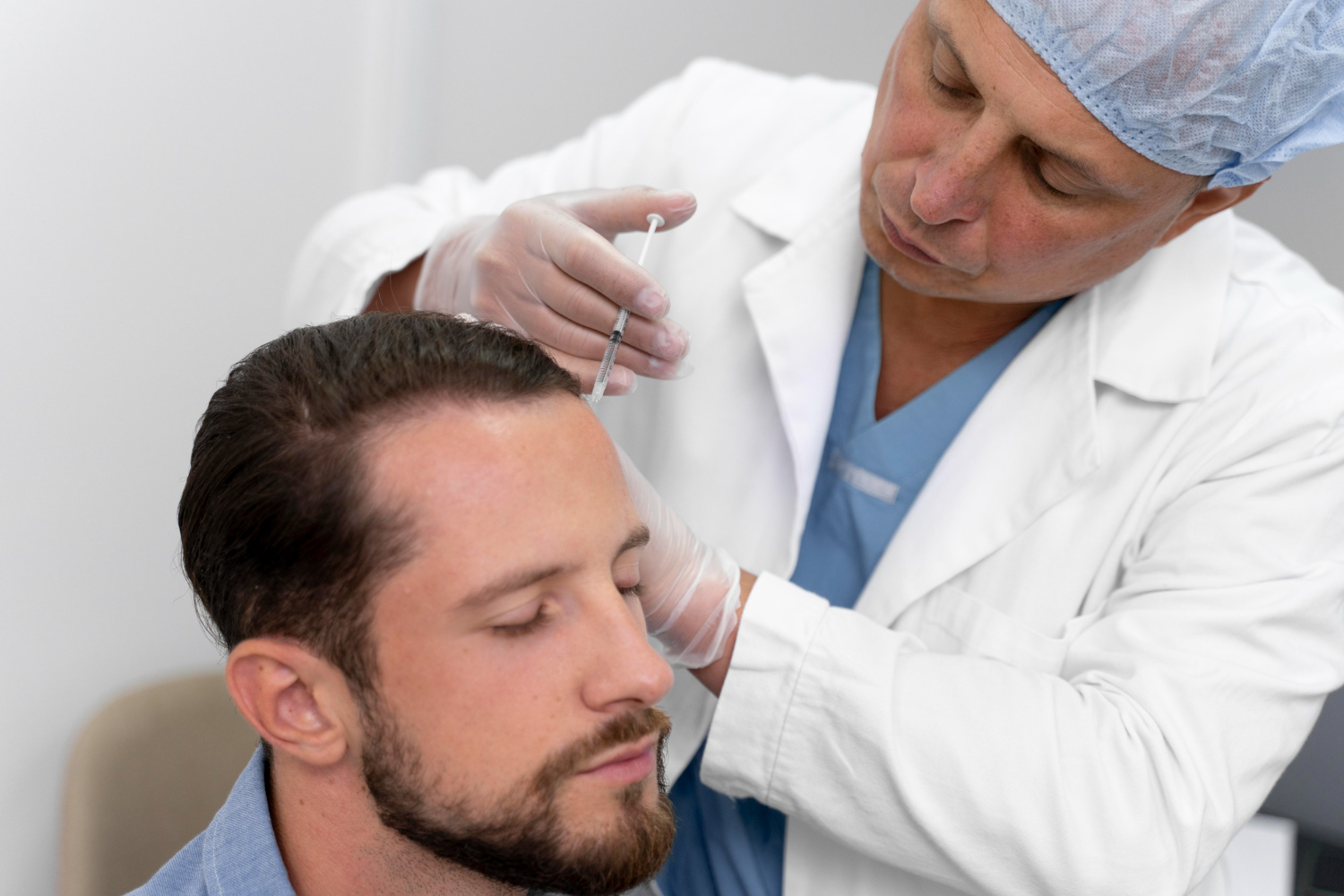
Finding the right hair transplant doctor is one of the most important steps in your hair restoration journey. While technology has made it easier to search for clinics and specialists online, it has also created confusion. Patients often face hundreds of ads, unverified clinics, and misleading promises. Choosing the wrong doctor can lead to poor results, wasted money, and long-term disappointment. This guide explains how to identify the best hair transplant doctor online, what to look for, what mistakes to avoid, and how platforms like SuggestDoctor help patients connect with verified professionals safely.

Read full Article

How Does Hair Transplant Surgery Work?

The process generally involves three main steps:

1. Donor Area Selection
Hair follicles are taken from areas resistant to hair loss, usually the back of the scalp.

2. Follicle Extraction
Individual follicles or grafts are carefully extracted using advanced medical tools.

3. Implantation
Extracted follicles are implanted into thinning or bald areas following natural hair growth direction.

This approach ensures:

  • Natural-looking results
  • Permanent hair growth
  • Minimal scarring with modern techniques

Types of Hair Transplant Techniques

FUE (Follicular Unit Extraction)

  • Individual follicles extracted one by one
  • No linear scar
  • Faster recovery
  • Most widely used technique

FUT (Follicular Unit Transplantation)

  • Thin strip of scalp removed
  • Higher graft count in one session
  • May leave a small scar
  • Cost-effective for advanced hair loss

DHI (Direct Hair Implantation)

  • Advanced form of FUE
  • Specialized implantation tools
  • Higher precision and density
  • Ideal for detailed hairline design

The right method depends on hair loss severity, donor hair quality, budget, and doctor expertise.

Who Is a Good Candidate?

  • Stable hair loss
  • Sufficient donor hair
  • Good overall health
  • Realistic expectations

Is Hair Transplant Safe?

Yes, when performed by a qualified doctor in a certified clinic. Risks increase if clinics are unverified or hygiene is poor.

Hair Transplant Recovery Timeline

  • Day 1–3: Mild swelling
  • Week 1–2: Scabs fall off
  • Month 2–3: Temporary shedding
  • Month 4–6: New hair growth
  • Month 9–12: Final results

How SuggestDoctor Helps

SuggestDoctor connects patients with verified hair transplant doctors and clinics, enabling safe, transparent, and informed treatment decisions.

✦ Patients: Submit your enquiry on SuggestDoctor.com
✦ Doctors: Join SuggestDoctor to receive genuine patient leads
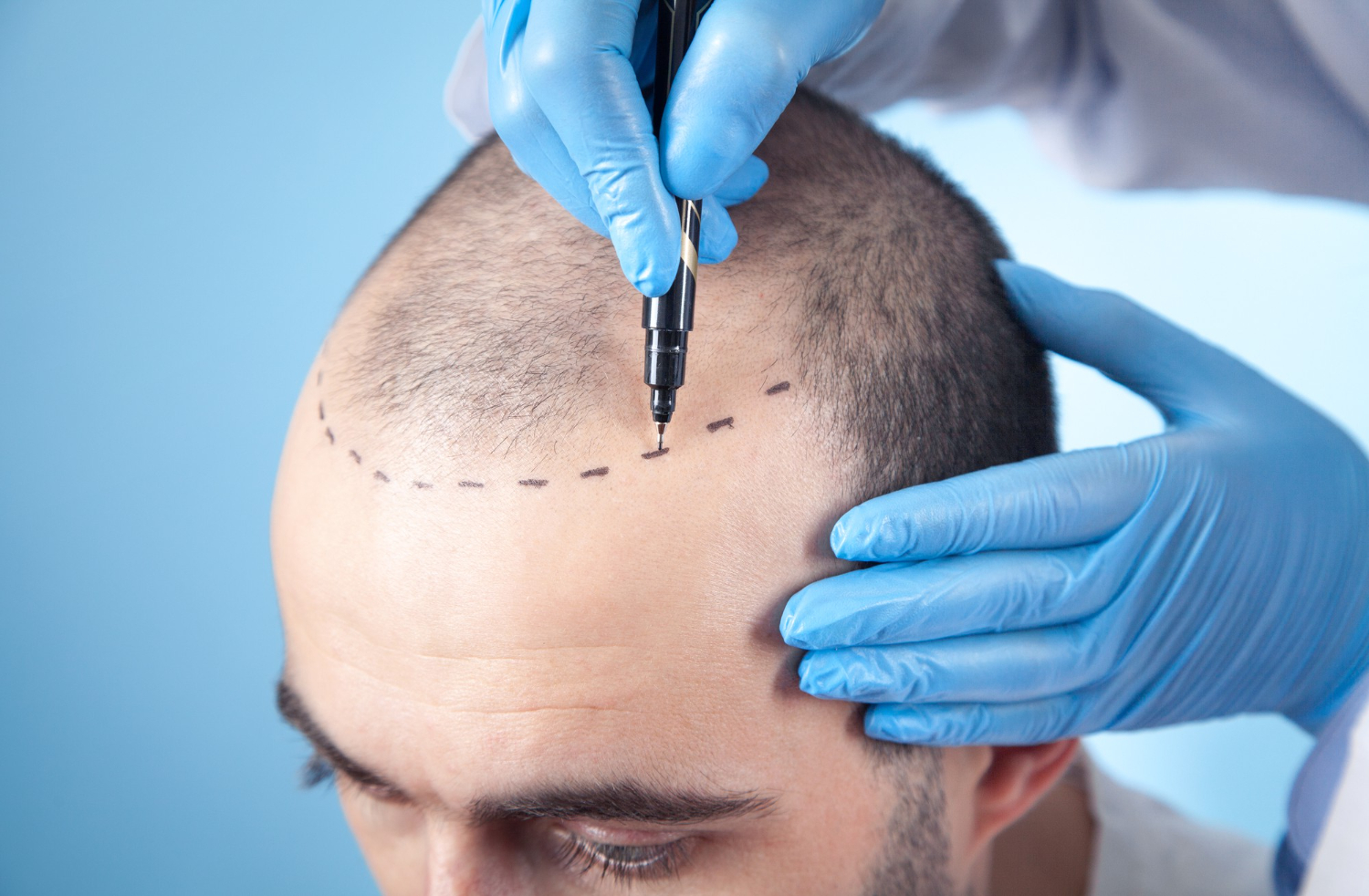
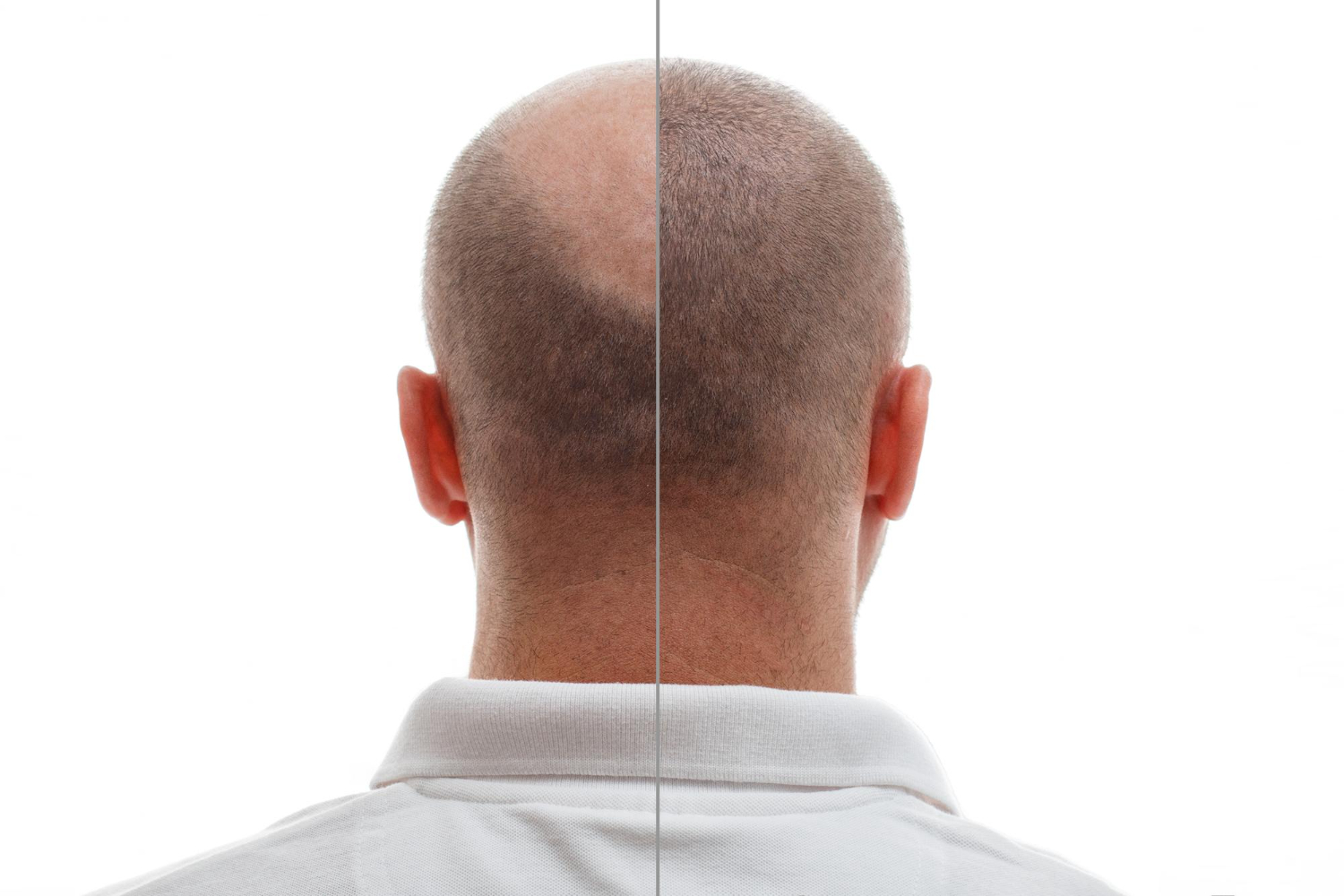
How Suggest Doctor Connects Patients with Verified Hair Transplant Clinics

Hair transplant is a serious medical choice. As more patients can access hair transplant clinics online, a larger challenge has been encountered by the patients, which is the ability to find proven hair transplant clinics online that are led by doctors. Most of the search results tend to be full of advertisements, promotions and unproven providers. Patients who are online searching such terms as the best hair transplant clinic or safe hair transplant treatment might have difficulties finding authentic medical practitioners. This is where Suggest Doctor can be of use. This guide describes the process of Suggest Doctor matching the patients to the proven hair transplant clinics so that they can make informed and safer treatment choices.

Read full Article

The Problem of Identifying a Real Hair Transplant Clinic on the Internet

The internet is crowded with misleading information, making it difficult for patients to identify genuine hair transplant clinics.

  • Clinics prioritizing marketing over medical ethics
  • False promises and “guaranteed” results
  • Fake or exaggerated patient reviews
  • Limited transparency about doctor involvement

Since hair transplant is a medical surgical procedure, choosing the wrong clinic can lead to poor results, complications, or dissatisfaction. Patients need reliable ways to identify clinics that follow proper medical standards.

Why Clinic Verification Is Important for Hair Transplant Surgery

Hair transplant success depends on more than just the technique used.

  • Doctor’s medical education and experience
  • Proper patient evaluation and treatment planning
  • Clean and certified clinical facilities
  • Ethical graft extraction and implantation
  • Post-operative care and follow-up

Advanced techniques like FUE, FUT, and DHI require skilled medical professionals. Clinic verification ensures procedures are performed by qualified doctors—not non-medical teams.

What Is SuggestDoctor?

SuggestDoctor.com is an online doctor discovery and healthcare enquiry platform that helps patients find verified doctors and trusted clinics.

Patients submit one hair transplant enquiry and are matched with onboarded clinics and doctors that meet their treatment requirements—without visiting multiple websites.

How SuggestDoctor Connects Patients with Verified Hair Transplant Clinics

1. Clinic and Doctor Onboarding

  • Doctor identity and professional credentials
  • Clinic specialization and treatment focus
  • Association with qualified medical professionals

This onboarding process filters out unverified and unethical providers.

2. Doctor-Led Hair Transplant Procedures

  • Doctors assess patient enquiries
  • Medical professionals are involved in procedures
  • Ethical consultation standards are followed

Patients receive guidance from doctors—not sales teams.

3. Treatment-Specific Matching

  • Type and stage of hair loss
  • Required treatment (FUE, FUT, DHI, beard or eyebrow transplant)
  • Patient needs and medical suitability

This ensures focused matching and better treatment relevance.

4. One Enquiry, Multiple Verified Options

  • Single enquiry submission
  • Responses from verified clinics
  • Digital comparison
  • Decision-making without pressure

How SuggestDoctor Reduces Online Hair Transplant Risks

  • Avoids fake reviews and misleading claims
  • Eliminates aggressive sales tactics
  • Prevents price-only driven decisions
  • Ensures doctor credential transparency

Benefits for Patients

  • Access to verified hair transplant clinics
  • Doctor-led consultation pathways
  • Reduced misinformation
  • No geographic limitations
  • Greater trust in medical decisions

Benefits for Doctors and Clinics

  • High-intent patient enquiries
  • Ethical digital visibility
  • Reduced reliance on aggressive advertising
  • National and international patient access

Final Thoughts

Choosing a hair transplant clinic should be based on medical credibility, doctor involvement, and patient safety—not advertisements. SuggestDoctor simplifies this process by connecting patients with verified clinics.

✦ Patients: Submit your hair transplant enquiry on SuggestDoctor.com
✦ Doctors & Clinics: Join SuggestDoctor to receive genuine patient enquiries

FUE vs FUT Hair Transplant: Which Is Right for You?

Choosing the right hair transplant method is one of the most important decisions in your hair restoration journey. Today, the two most commonly used techniques are FUE (Follicular Unit Extraction) and FUT (Follicular Unit Transplantation). Both are effective, medically proven procedures—but they differ in process, recovery, scarring, cost, and suitability. If you are searching online for “FUE vs FUT hair transplant,” this guide will help you understand the key differences and decide which option may be right for you—with the support of verified doctors on platforms like SuggestDoctor.

Read full Article

Understanding Hair Transplant Basics

A hair transplant involves relocating healthy hair follicles from the donor area to thinning or bald regions, producing natural and long-lasting results.

What Is FUE (Follicular Unit Extraction)?

FUE is a minimally invasive method where follicles are extracted individually and implanted into affected areas.

  • No linear scar
  • Faster healing and recovery
  • Suitable for short hairstyles

What Is FUT (Follicular Unit Transplantation)?

FUT involves removing a thin strip of scalp to harvest grafts for transplantation.

  • Higher graft count in one session
  • More cost-effective for large areas
  • May leave a small linear scar

Choosing the Right Method

The right choice depends on hair loss severity, donor quality, budget, and long-term goals.

Why Doctor Expertise Matters

A qualified doctor ensures proper planning, natural hairline design, and high graft survival.

How SuggestDoctor Helps

SuggestDoctor connects patients with verified hair transplant specialists for safe and informed decision-making.

✦ Patients: Submit your enquiry on SuggestDoctor.com
✦ Doctors: Join SuggestDoctor to receive genuine patient leads
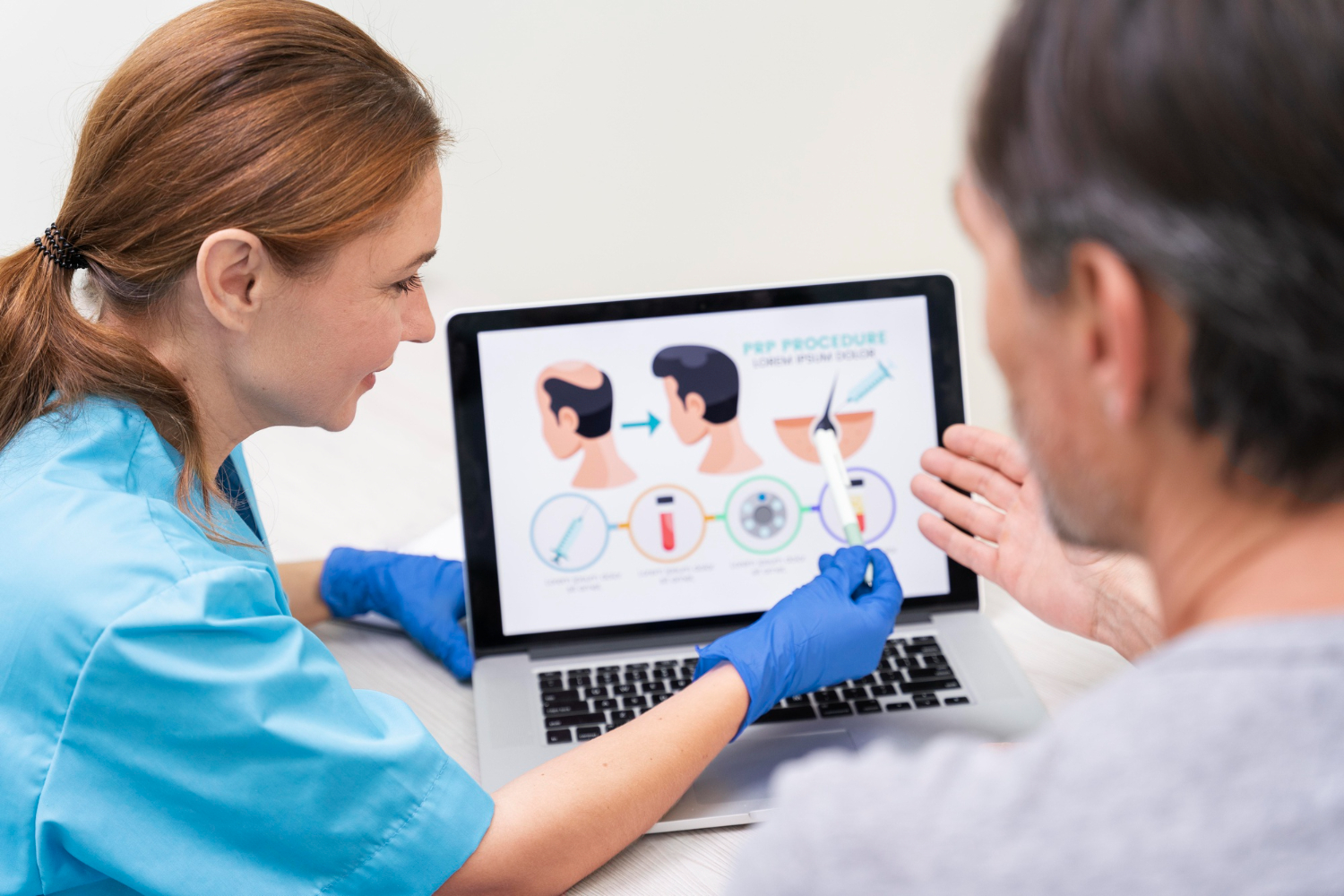
Is Hair Transplant Safe? Risks, Recovery & Success Rate

Hair transplant has become one of the most popular solutions for hair loss in India. But many patients wonder: Is hair transplant safe? This guide explains the procedure, potential risks, recovery process, and expected success rates to help you make an informed decision.

Read Full Article

Understanding Hair Transplant in India

A hair transplant is a surgical procedure where hair follicles are moved from one part of the scalp to thinning areas. The most common methods are:

  • FUE (Follicular Unit Extraction): Individual hair follicles are transplanted, leaving minimal scarring.
  • FUT (Follicular Unit Transplantation): A strip of scalp is removed, and hair follicles are transplanted.

Both methods are performed by qualified hair transplant doctors in India at verified medical clinics, ensuring high safety standards.

Is Hair Transplant Safe?

Yes, when performed by experienced specialists at certified clinics. Modern techniques like FUE are minimally invasive and carry fewer risks than older methods.

Safety depends on:

  • The skill and experience of the doctor
  • Sterility and hygiene of the clinic
  • Proper patient assessment before the procedure

Potential Risks and Side Effects

Like any medical procedure, hair transplant carries some risks, but serious complications are rare.

  • Mild pain or discomfort in the donor or recipient area
  • Temporary swelling or redness
  • Minor scarring (more common in FUT)
  • Rare infections if post-operative care is ignored

Most side effects are temporary and resolve within a few days to weeks.

Recovery Timeline

  • First Week: Swelling, redness, and small scabs may appear
  • 2–4 Weeks: Transplanted hair may shed (normal part of the growth cycle)
  • 3–6 Months: Noticeable hair growth begins
  • 12 Months: Full results with natural-looking hair

Following your doctor’s post-operative instructions ensures a smooth recovery and optimal results.

Success Rate of Hair Transplant in India

With modern techniques like FUE, success rates range between 85–95% when done by qualified specialists.

Factors affecting success include:

  • Age and health of the patient
  • Skill of the hair transplant doctor
  • Quality of post-operative care

Choosing a Verified Hair Transplant Clinic

  • Opt for verified medical clinics in India
  • Consult experienced hair transplant doctors before committing
  • Check patient reviews and before-after photos

Platforms like Suggest Doctor make it easy to find the best hair transplant clinic in India and connect with trusted specialists.

Conclusion: Safe, Effective, and Transformative

Hair transplant is generally safe when performed by experienced doctors at certified clinics. Understanding risks, recovery timelines, and success rates helps patients make informed decisions and achieve healthy, natural hair growth.

✦ Patients: Book a consultation with verified hair transplant specialists today on Suggest Doctor.
✦ Doctors: Join Suggest Doctor to connect with genuine patients.

Top Mistakes Patients Make When Choosing a Hair Transplant Clinic

Hair transplant is a long-term decision, not a quick cosmetic fix. Yet many patients rush into choosing a clinic and end up with poor results, wasted money, or even permanent damage. Knowing these common mistakes can help you choose the right clinic safely and confidently.

Read Full Article

1. Choosing a Clinic Based Only on Price

One of the biggest mistakes is selecting the cheapest option available. Extremely low prices often indicate compromised quality.

  • Unqualified technicians performing the procedure
  • Poor hygiene standards
  • Outdated techniques

A safe and successful hair transplant depends on expertise, not discounts. Always focus on doctor experience and clinic credibility over cost alone.

2. Not Verifying the Hair Transplant Doctor

Many clinics promote flashy ads but hide who actually performs the surgery. Sometimes procedures are handled by assistants instead of qualified doctors.

Before booking, ensure:

  • The procedure is performed by a certified hair transplant doctor
  • The doctor has proven experience with FUE procedures
  • Credentials and medical registration are verifiable

3. Ignoring the Clinic’s Track Record

Patient reviews, before-after results, and success stories matter. Choosing a clinic without checking past outcomes is risky.

  • Real patient results
  • Success rates
  • Transparent consultation details

Reliable clinics openly share this information to help set realistic expectations and build trust.

4. Falling for Unrealistic Promises

Claims like “Guaranteed 100% density” or “instant hair growth” are major red flags. Hair restoration follows a natural growth cycle.

A responsible doctor will explain:

  • Recovery timelines
  • Possible limitations
  • Long-term maintenance

Honesty is a strong sign of a verified medical clinic.

5. Skipping a Proper Consultation

Many patients book procedures without a detailed consultation, which can lead to unsuitable treatment plans.

A good consultation should include:

  • Scalp and donor area evaluation
  • Discussion of suitable techniques (FUE vs FUT)
  • Clear post-procedure care guidance

Online medical enquiry platforms now make it easier than ever to consult specialists before committing.

6. Not Checking Clinic Hygiene & Technology

Advanced procedures require strict hygiene and modern equipment. Outdated tools increase the risk of infection and poor graft survival.

Always choose clinics that follow medical safety standards and use updated techniques.

How to Choose the Right Hair Transplant Clinic

  • Choose verified hair transplant clinics
  • Consult experienced hair transplant doctors
  • Use trusted medical service directories

Platforms like Suggest Doctor help patients connect with verified clinics, compare specialists, and book consultations safely.

Final Thought

A hair transplant can be life-changing—but only when done right. Avoid shortcuts, do your research, and trust verified professionals.

✦ Looking for a trusted hair transplant clinic?
Find verified hair transplant doctors and clinics on Suggest Doctor and book a safe consultation today.

How Online Doctor Enquiry Platforms Are Changing Healthcare

Accessing quality healthcare in India is no longer complicated. Online doctor enquiry platforms are transforming how patients find verified medical services, consult specialists, and book treatments—all from the comfort of home.

Read Full Article

Why Online Medical Consultation in India Is Growing

Traditional healthcare often involves long waits, uncertain doctor credentials, and limited access to specialists. Online platforms are solving these challenges by making healthcare faster, safer, and more transparent.

Platforms help by:

  • Connecting patients with verified medical clinics
  • Offering online consultations for quick advice and follow-ups
  • Providing information on advanced medical procedures

This digital shift empowers patients to make informed healthcare decisions without unnecessary delays.

Benefits for Patients

Verified Doctors and Clinics

Patients no longer have to worry about unqualified practitioners. Verified platforms ensure credentials are checked, promoting safe and reliable care.

Convenience and Time-Saving

Booking appointments and consulting doctors online reduces travel and waiting time, making healthcare accessible for everyone.

Access to Specialized Treatments

From hair transplant procedures to cosmetic treatments, patients can easily locate specialists with detailed profiles, expertise, and patient reviews.

Cost Transparency

Users can compare treatment options and pricing, helping them choose care that fits their budget without compromising quality.

Impact on Hair Transplant Services

Hair restoration treatments have especially benefited from online platforms. Patients can now:

  • Explore experienced hair transplant doctors
  • Read real patient reviews and success stories
  • Book consultations online before visiting a clinic

This leads to improved safety, higher satisfaction, and better treatment outcomes.

Challenges and Opportunities

While online platforms simplify healthcare access, patients should still verify information and consult doctors personally when necessary.

With strong verification processes and EEAT (Expertise, Authority, Trustworthiness) standards, these platforms continue to build trust and transparency in Indian healthcare.

The Future of Healthcare in India

Online doctor enquiry platforms are creating a patient-first healthcare ecosystem. Today, patients can access specialist doctors, advanced procedures, and verified clinics with just a few clicks.

✦ Find a verified doctor near you today.
Explore Suggest Doctor to book consultations with trusted specialists and discover the best medical services in India.

Why Doctors Are Joining Online Lead Generation Platforms

The healthcare industry in India is rapidly going digital. Patients now search online before choosing a doctor, clinic, or treatment. As a result, more doctors are joining online lead generation platforms to increase visibility, connect with genuine patients, and grow their practice efficiently.

Read Full Article

Changing Patient Behaviour in India

Patients no longer rely solely on word-of-mouth referrals. Instead, they research online before making healthcare decisions.

Today’s patients often:

  • Search for specialist doctors online
  • Compare clinics, reviews, and treatment options
  • Prefer platforms that list verified medical clinics

To stay relevant, doctors need to be present where patients are searching—online medical service directories.

Consistent Patient Enquiries Without Marketing Hassles

Traditional marketing methods like newspaper ads or banners can be expensive and difficult to measure. Online lead generation platforms simplify this process.

  • Targeted patient enquiries based on specialty
  • Higher-intent leads from patients actively seeking treatment
  • Reduced dependency on third-party agents

This allows doctors to focus more on patient care rather than marketing efforts.

Better Visibility for Specialized Treatments

Doctors offering advanced procedures often struggle to reach the right audience. Digital platforms help specialists showcase their expertise effectively.

Examples include:

  • Hair transplant procedures
  • Cosmetic and dermatological treatments
  • Advanced medical procedures

For instance, hair transplant specialists can connect directly with patients searching for FUE procedures, improving consultation quality and conversion rates.

Trust Through Verification and Transparency

Trust is critical in healthcare. Online enquiry platforms strengthen credibility by maintaining high verification standards.

  • Verifying doctor credentials
  • Displaying clinic details and patient reviews
  • Ensuring transparency in services offered

Being listed on a trusted medical directory reassures patients and enhances a doctor’s professional reputation.

Efficient Online Medical Consultation

Many platforms now support online consultations, enabling doctors to manage their time more effectively.

  • Conduct pre-consultations
  • Filter serious patients before in-person visits
  • Offer follow-ups remotely

This leads to improved workflow and greater patient satisfaction.

Data-Driven Practice Growth

Unlike traditional advertising, digital platforms provide actionable insights that help doctors scale strategically.

  • Number of enquiries
  • Patient interests and treatment trends
  • Performance compared to similar specialists

These analytics support smarter decision-making for long-term growth.

Why Doctors Prefer Verified Lead Platforms

Doctors increasingly choose platforms that prioritize quality over quantity.

  • Genuine patient leads
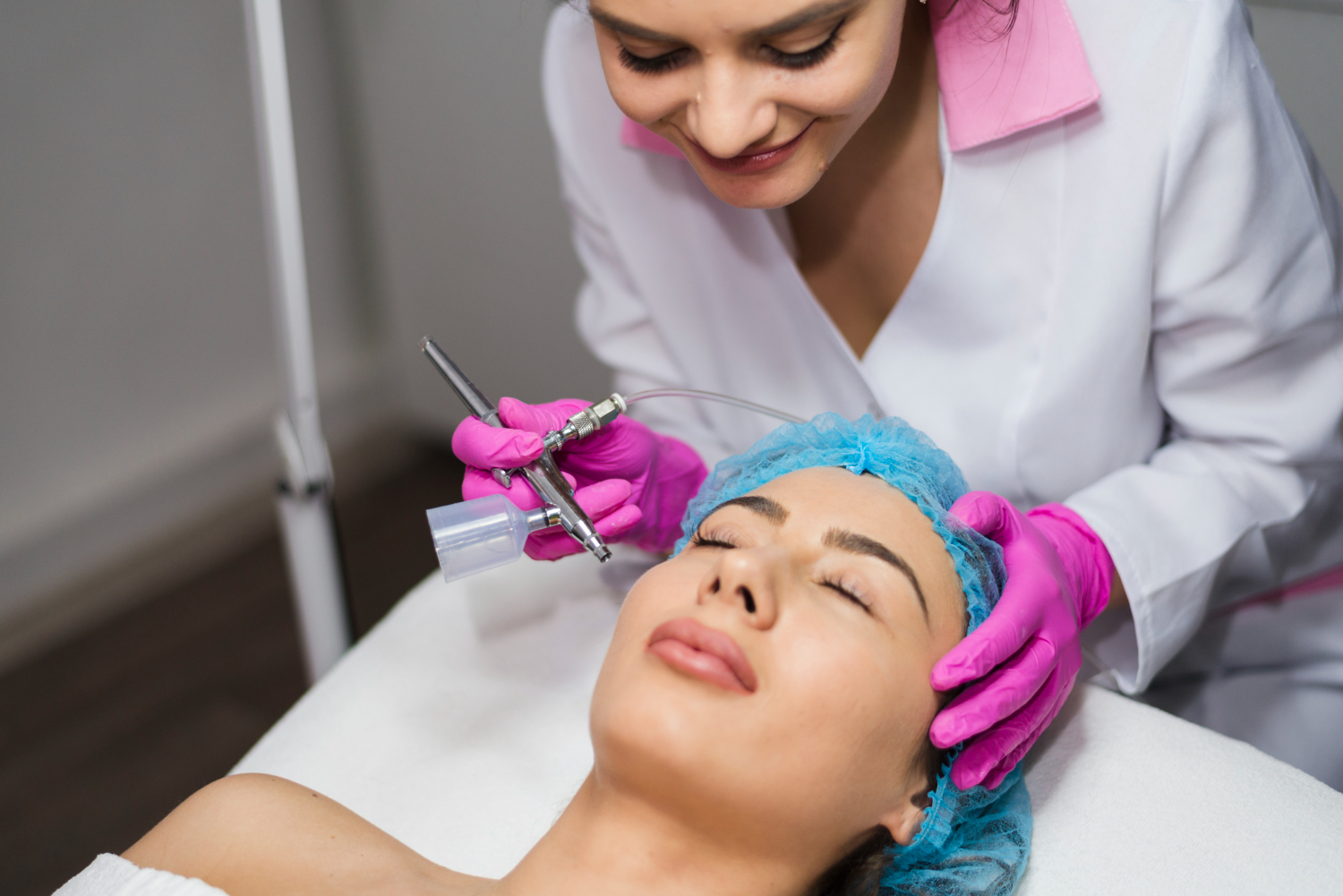
  • Better matching between patient needs and doctor expertise
  • Long-term brand building within the healthcare ecosystem

Platforms like Suggest Doctor act as a bridge—connecting patients with verified specialists while helping doctors grow sustainably.

Conclusion

Online lead generation platforms are no longer optional—they are essential. By improving visibility, building trust, and delivering high-intent patient enquiries, these platforms are reshaping how healthcare services operate.

✦ Looking to grow your medical practice online?
Join Suggest Doctor and connect with patients actively seeking your expertise.

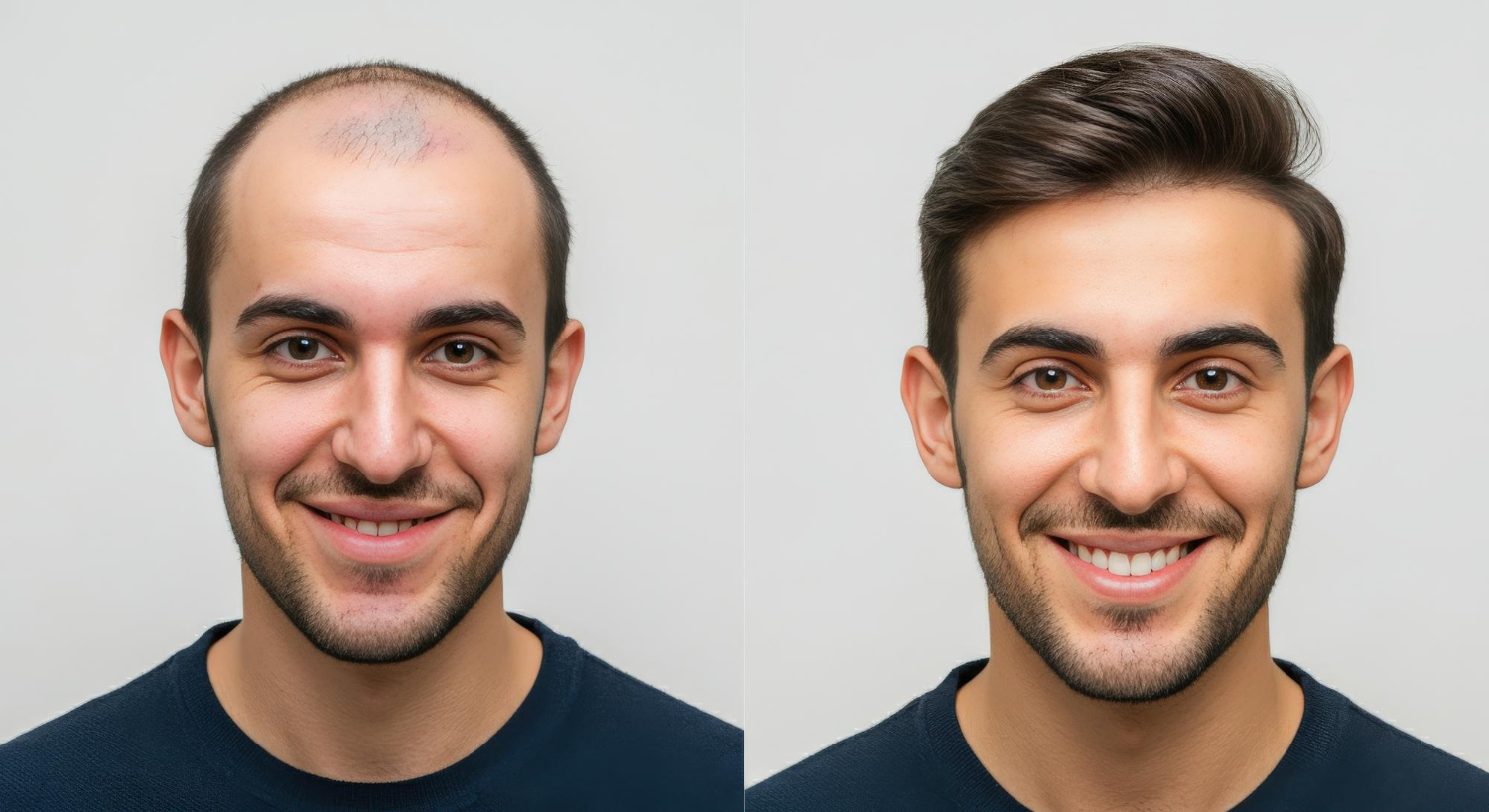
Hair Transplant Before & After: What Results Can You Expect?

A hair transplant can dramatically improve your appearance and confidence—but understanding realistic before and after results is essential before choosing the procedure. This guide explains what patients can expect, how results evolve over time, and the factors that influence success.

Read Full Article

Understanding Hair Transplant Results

A hair transplant works by relocating healthy hair follicles from the donor area (usually the back or sides of the scalp) to thinning or bald regions. Because the transplanted follicles are genetically resistant to hair loss, the results are typically long-lasting and natural.

However, results do not appear overnight. Hair growth follows a gradual cycle that requires patience.

Before the Procedure: What to Expect

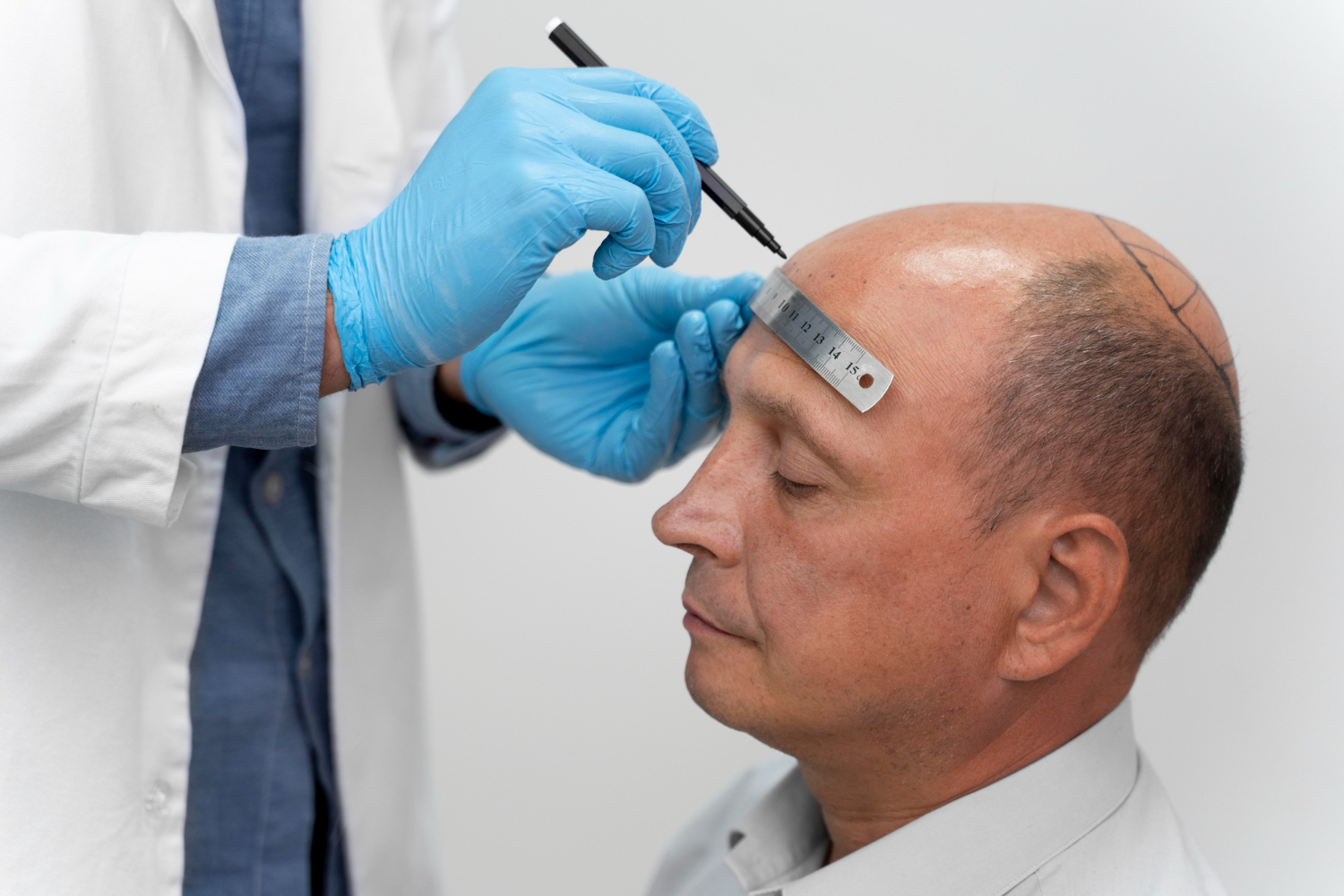
Before undergoing a hair transplant, a qualified doctor will evaluate your scalp, donor hair density, medical history, and hair loss pattern to design a natural-looking hairline.

During consultation, doctors typically discuss:

  • Expected graft count
  • Suitable technique (FUE or FUT)
  • Hairline design
  • Recovery timeline
  • Realistic density expectations

Reviewing real before-and-after photos from the clinic can help set clear and achievable expectations.

Immediately After the Procedure

  • Mild redness and swelling are normal
  • Small scabs form around transplanted grafts
  • The scalp may feel tight or slightly sensitive

These effects usually subside within a few days when proper post-procedure care is followed.

The Hair Growth Timeline

First Month

Transplanted hair often sheds within 2–4 weeks. This is completely normal and part of the natural growth cycle known as “shock loss.”

3–4 Months

New hair begins to grow, though it may initially appear thin or uneven.

6–9 Months

Noticeable improvement occurs as hair becomes thicker and more consistent.

12 Months

Most patients see full results with natural density and improved hairline definition.

Factors That Affect Before & After Results

  • Experience of the hair transplant doctor
  • Quality of donor hair
  • Technique used (FUE vs FUT)
  • Patient age and overall health
  • Commitment to post-operative care

Choosing a verified clinic significantly improves the chances of achieving excellent results.

Are Hair Transplant Results Permanent?

Transplanted hair is generally permanent because it comes from areas resistant to balding. However, existing non-transplanted hair may continue to thin over time.

Doctors may recommend medications or maintenance treatments to preserve overall density.

The Importance of Realistic Expectations

While hair transplants can deliver transformative results, perfection is not the goal—natural appearance is. A skilled doctor focuses on creating a hairline that complements your facial structure rather than chasing unrealistic density.

Choosing the Right Clinic Matters

To achieve the best before-and-after outcome:

  • Select experienced and certified hair transplant doctors
  • Review authentic patient results
  • Prioritize clinic hygiene and technology
  • Avoid deals that seem too good to be true

Trusted platforms like Suggest Doctor help patients connect with verified specialists and compare clinics confidently.

Final Thoughts

Hair transplant before-and-after transformations can be life-changing when performed by skilled professionals. Understanding the timeline, setting realistic expectations, and choosing the right clinic are the keys to achieving natural, long-lasting hair restoration.

✦ Ready to restore your hair and confidence?
Find verified hair transplant doctors and book a consultation today on Suggest Doctor.

Beard & Eyebrow Transplant: New Trends in Hair Restoration

Hair restoration is no longer limited to the scalp. Beard and eyebrow transplants are rapidly gaining popularity among men and women seeking fuller facial hair and enhanced facial symmetry. With advanced techniques delivering natural-looking results, these procedures are becoming a major trend in modern cosmetic treatments.

Read Full Article

What Is a Beard Transplant?

A beard transplant is a cosmetic procedure that involves transferring healthy hair follicles—typically from the back of the scalp—to areas of the face where beard growth is patchy or absent. The goal is to create a naturally dense and well-defined beard.

Common reasons patients choose beard transplants include:

  • Patchy or uneven beard growth
  • Genetic lack of facial hair
  • Scars or hair loss from injuries
  • Desire for a fuller, more structured beard

What Is an Eyebrow Transplant?

Eyebrow transplant is a precise procedure designed to restore or reshape eyebrows by implanting individual hair follicles. It enhances facial balance and creates a more youthful appearance.

People often opt for eyebrow transplants due to:

  • Overplucking or excessive threading
  • Hair loss caused by medical conditions
  • Thinning eyebrows with age
  • Desire for thicker, well-shaped brows

Why These Procedures Are Trending

Growing awareness of aesthetic treatments and advancements in minimally invasive technology have made facial hair transplants safer and more accessible than ever.

  • Natural-looking and permanent results
  • Minimal scarring with modern FUE techniques
  • Customized design tailored to facial features
  • Increasing acceptance of cosmetic procedures

The Procedure: What to Expect

Most beard and eyebrow transplants use Follicular Unit Extraction (FUE), where individual follicles are harvested and carefully implanted to match natural growth direction.

Typical steps include:

  • Consultation and facial design planning
  • Donor hair extraction
  • Precision implantation
  • Post-procedure care guidance

The procedure is usually performed under local anesthesia and allows patients to return home the same day.

Recovery and Results Timeline

  • First Week: Mild redness or tiny scabs may appear
  • 2–4 Weeks: Transplanted hairs may shed temporarily
  • 3–4 Months: New hair growth begins
  • 6–12 Months: Fuller, natural results become visible

Following your doctor’s aftercare instructions is essential for optimal graft survival and long-term success.

Who Is an Ideal Candidate?

  • Individuals with sufficient donor hair
  • People in good overall health
  • Patients with realistic expectations
  • Those seeking permanent facial hair enhancement

Choosing the Right Specialist Matters

Facial hair transplantation requires artistic precision and medical expertise. Selecting an experienced and verified specialist significantly improves the chances of achieving symmetrical and natural results.

Before choosing a clinic:

  • Review before-and-after photos
  • Check doctor credentials
  • Ensure the clinic follows strict hygiene standards
  • Read genuine patient reviews

Platforms like Suggest Doctor make it easier to connect with trusted specialists and explore verified clinics.

Final Thoughts

Beard and eyebrow transplants are redefining modern hair restoration by offering permanent, natural-looking solutions for facial hair enhancement. With the right doctor and proper planning, these procedures can significantly boost confidence and overall appearance.

✦ Considering a beard or eyebrow transplant?
Discover verified specialists and book a consultation today on Suggest Doctor.

How to Choose the Right Surgeon for Hair Transplant Surgery

Choosing the right surgeon is the most important step in achieving natural and long-lasting hair transplant results. With the growing number of clinics offering hair restoration procedures, knowing how to identify a qualified specialist can protect you from poor outcomes and ensure a safe experience.

Read Full Article

Why the Surgeon Matters

Hair transplant surgery is both a medical and artistic procedure. The surgeon’s expertise directly impacts hairline design, graft survival, density, and overall appearance. A skilled surgeon ensures results that look natural rather than artificial.

Check Qualifications and Certifications

Always verify the surgeon’s medical background before making a decision.

  • Recognized medical degree and surgical training
  • Specialization in hair restoration procedures
  • Valid medical registration
  • Membership in reputable medical associations

Proper credentials indicate that the surgeon follows established safety standards and ethical practices.

Evaluate Experience and Track Record

Experience plays a major role in the success of hair transplant surgery. Surgeons who have performed numerous procedures are better equipped to handle different hair loss patterns and complexities.

Look for:

  • Consistent before-and-after results
  • A strong portfolio of past cases
  • Positive patient testimonials
  • High graft survival rates

Understand the Techniques Offered

Modern clinics typically provide advanced methods such as FUE (Follicular Unit Extraction) and FUT (Follicular Unit Transplantation). A good surgeon will recommend the technique best suited to your hair type, donor strength, and long-term goals—not a one-size-fits-all solution.

Prioritize a Detailed Consultation

A professional surgeon will never rush you into surgery. The consultation should focus on education, planning, and realistic expectations.

During consultation, expect:

  • Scalp and donor area analysis
  • Discussion of graft requirements
  • Hairline design planning
  • Explanation of risks and recovery
  • Transparent pricing

If a clinic pushes immediate booking without evaluation, consider it a warning sign.

Assess Clinic Hygiene and Technology

Even the best surgeon needs a well-equipped environment. Choose clinics that maintain strict sterilization protocols and use modern surgical tools.

  • Clean and accredited facilities
  • Advanced equipment
  • Trained medical staff
  • Clear safety procedures

Avoid Choosing Based Solely on Price

While affordability matters, extremely low-cost procedures often compromise quality. A poorly performed transplant may require corrective surgery, costing more in the long run.

Focus on value, expertise, and safety rather than discounts.

Look for Transparency and Trust

A trustworthy surgeon communicates openly about expected results, limitations, and long-term care. Honest guidance is a strong indicator of professionalism.

Use Trusted Platforms to Find Verified Surgeons

Searching independently can be overwhelming. Trusted medical platforms simplify the process by listing verified specialists, showcasing patient reviews, and allowing easy consultation booking.

Platforms like Suggest Doctor help patients connect with experienced hair transplant surgeons and compare clinics with confidence.

Final Thoughts

Choosing the right hair transplant surgeon is a decision that affects your appearance for years to come. Take time to research, ask questions, and prioritize expertise over convenience.

With the right specialist, a hair transplant can deliver natural, permanent results that restore both hair and confidence.

✦ Ready to take the next step?
Find verified hair transplant surgeons and book a consultation today on Suggest Doctor.

Are You a Good Candidate for Hair Transplant? Doctor’s Checklist

Hair loss affects millions, and with the rise of advanced procedures like FUE, many people wonder if they’re suitable candidates for hair transplant surgery. Doctors evaluate several medical and personal factors before recommending treatment.

Read Full Article

1. Type and Stage of Hair Loss

Doctors first analyze your hair loss pattern and progression. Hair transplant works best for individuals with stable hair loss, pattern baldness, and clearly defined thinning areas. Temporary hair loss caused by stress or illness may require alternative treatments.

2. Healthy Donor Area

The donor area, usually the back or sides of the scalp, must have strong and dense follicles. Specialists assess hair thickness, strength, and long-term sustainability before recommending surgery.

3. Age and Long-Term Expectations

Age alone doesn’t decide eligibility. Doctors prefer patients whose hair loss pattern has stabilized and who understand that results appear gradually and follow a natural growth cycle.

4. Overall Health and Medical History

Health conditions like diabetes, scalp disorders, or autoimmune diseases can affect healing. Ideal candidates are generally healthy, maintain a good lifestyle, and can follow aftercare instructions properly.

5. Choosing the Right Technique

Not every patient needs the same method. Doctors determine whether FUE or FUT is suitable depending on baldness level, hair characteristics, and recovery preferences. Personalized evaluation ensures the best outcome.

6. Commitment to Recovery and Aftercare

  • Follow recovery guidelines
  • Avoid strenuous activity during healing
  • Attend follow-up visits

Most patients see new growth within a few months, with full results visible in about a year.

7. Psychological Readiness

Hair transplant can improve confidence, but it is not an instant solution. Good candidates understand timelines, possible multiple sessions, and the importance of realistic expectations.

How Suggest Doctor Helps

Platforms like Suggest Doctor connect patients with verified specialists, allow clinic comparisons, and enable online consultations before treatment decisions.

Final Thoughts

Whether you’re a good candidate depends on your hair loss pattern, donor area strength, health condition, and expectations. A professional consultation is the safest way to determine your suitability and plan an effective treatment journey.

✦ Thinking about a hair transplant?
Start with a consultation and take the first step toward natural, long-lasting results.

Hair Transplant Recovery Timeline: Week-by-Week Guide

Understanding the recovery process after a hair transplant is essential for achieving the best results. This week-by-week guide explains what to expect after the procedure and how proper care supports healthy hair growth.

Read Full Article

Day 1–3: Immediate Care

Mild redness, swelling, or tiny scabs are normal after a transplant. Doctors advise avoiding touching the scalp, sleeping with your head elevated, and following medications carefully.

Week 1: Healing Begins

The scalp starts healing and small scabs form around follicles. Patients may feel mild itching or tightness while redness gradually fades. Gentle washing is usually recommended.

Week 2: Shedding Phase

Transplanted hairs may fall out during this phase, known as shock loss. This is completely normal and does not mean failure—the follicles remain intact and new growth will follow.

Weeks 3–4: Resting Stage

By the end of the first month, visible signs of surgery fade. The scalp looks more natural, daily routines resume, and follicles prepare for future growth beneath the skin.

Months 2–3: Early Growth

Fine new hairs begin appearing. Growth may look uneven initially, which is normal. Maintaining a healthy lifestyle and attending follow-ups helps improve results.

Months 4–6: Visible Improvement

  • Hair becomes thicker
  • Thin areas start filling
  • Hairline definition improves

Months 9–12: Final Results

By one year, transplanted hair reaches full maturity. Density improves, styling becomes normal, and results blend naturally with existing hair.

Tips for Smooth Recovery

  • Follow washing and medication instructions
  • Avoid smoking and alcohol
  • Protect scalp from sunlight
  • Attend follow-up appointments

Final Thoughts

Hair transplant recovery is gradual and requires patience. While early weeks focus on healing, noticeable growth typically starts after a few months, with full results visible within a year.

✦ Planning a hair transplant?
Start with a professional consultation and get personalized guidance for the best outcome.

Tooth Pain Is a Warning Sign: Why Early Diagnosis Can Save Your Smile

Tooth pain is often ignored, but it’s usually a warning sign of underlying dental problems. Early diagnosis can prevent complications, reduce treatment costs, and protect your overall oral health.

Read Full Article

What Causes Tooth Pain?

Tooth pain can range from mild sensitivity to sharp discomfort and may be caused by cavities, gum infections, cracked teeth, exposed roots, impacted wisdom teeth, or dental abscesses. Often, pain appears only when the condition has already progressed.

Why Ignoring Tooth Pain Is Risky

  • Infections may spread deeper into the tooth
  • May require root canal or extraction
  • Infection can reach gums, jawbone, or bloodstream
  • Treatment becomes more complex and expensive

How Early Diagnosis Saves Your Smile

1. Prevents Tooth Loss

Early detection allows simple treatments like fillings or cleaning to save the natural tooth before damage becomes severe.

2. Reduces Treatment Complexity

Minor issues treated early require less invasive procedures than advanced dental problems.

3. Minimizes Pain

Early treatment addresses the root cause instead of masking symptoms with temporary relief.

4. Saves Money

Preventive care is always more affordable than emergency dental procedures or complex restorations.

When Should You See a Dentist?

  • Sensitivity to hot or cold foods
  • Pain while chewing
  • Bleeding or swollen gums
  • Persistent bad breath
  • Visible discoloration or damage

Modern Dental Diagnosis Tools

Today’s clinics use digital X-rays, intraoral cameras, and advanced imaging to detect hidden dental problems before they cause serious damage.

Choosing the Right Clinic Matters

Selecting a trusted clinic ensures accurate diagnosis, qualified dentists, and transparent treatment plans. Platforms like Suggest Doctor help patients find verified clinics and connect with specialists for timely care.

Preventive Dental Care Tips

  • Visit a dentist every 6 months
  • Brush and floss regularly
  • Limit sugary foods
  • Address discomfort early

Final Thoughts

Tooth pain is your body’s warning sign that something isn’t right. Early diagnosis protects your teeth, prevents serious complications, and saves you time, money, and discomfort.

✦ Experiencing tooth pain?
Don’t wait—schedule a dental consultation and protect your smile today.

Root Canal vs Tooth Extraction: What Dentists Recommend

When a tooth is severely damaged or infected, dentists may suggest either a root canal or extraction. Understanding the differences helps you choose the best option for long-term oral health and comfort.

Read Full Article

What Is a Root Canal Treatment?

A root canal is a procedure used to save a tooth affected by deep decay or infection. The dentist removes infected tissue, cleans the inner tooth, and seals it to prevent further damage.

When Dentists Recommend a Root Canal

  • Deep decay reaching the pulp
  • Persistent tooth pain or sensitivity
  • Dental abscess or swelling
  • Cracked or injured tooth

What Is Tooth Extraction?

Extraction involves removing a tooth that cannot be restored due to severe damage or infection. Dentists usually recommend it only when saving the tooth is no longer possible.

When Extraction May Be Needed

  • Advanced gum disease or bone loss
  • Completely fractured tooth
  • Impacted wisdom teeth
  • Irreversible infection

Key Differences

1. Long-Term Oral Health

Saving a natural tooth maintains bite alignment and jawbone strength, while extraction may lead to shifting teeth or bone loss if not replaced.

2. Pain and Recovery

Modern root canals are generally comfortable with anesthesia. Extraction recovery can sometimes take longer, especially if surgery is involved.

3. Cost Consideration

Extraction may seem cheaper initially, but replacement treatments like implants or bridges can increase overall cost.

4. Aesthetic Impact

Keeping your natural tooth helps maintain your smile’s appearance and facial structure over time.

What Dentists Usually Recommend

Most dentists prefer saving natural teeth whenever possible because they function better than artificial replacements, preserve jawbone health, and keep neighboring teeth stable.

How to Decide

  • Ask if the tooth can be safely saved
  • Understand long-term benefits
  • Check if replacement is needed after extraction
  • Discuss impact on future oral health

Final Thoughts

Choosing between a root canal and extraction can feel overwhelming, but preserving the natural tooth is usually the best option when possible. Extraction is typically recommended only when damage is beyond repair.

✦ Experiencing severe tooth pain?
Consult a specialist dentist early and choose the safest option for your long-term oral health.

Signs You Need Braces or Orthodontic Treatment

Braces aren’t just for teenagers. Misaligned teeth can affect oral health, chewing, speech, and long-term dental stability. Recognizing early signs can help prevent serious dental problems later.

Read Full Article

1. Crooked or Overlapping Teeth

Crowded or overlapping teeth are a common sign you may need braces. Misalignment makes cleaning difficult and increases the risk of cavities and gum disease.

2. Jaw Pain or Clicking Sounds

Jaw discomfort or clicking while opening your mouth can indicate bite misalignment or joint strain. Orthodontic treatment can help correct positioning and reduce stress on the jaw.

3. Difficulty Chewing or Biting

If eating feels uncomfortable or uneven, it may be due to bite issues such as overbite, underbite, crossbite, or open bite. Braces help restore proper bite balance.

4. Gaps Between Teeth

Large spaces between teeth can trap food particles and increase gum problems. Orthodontic treatment gradually closes gaps for better health and appearance.

5. Speech Difficulties

Alignment issues may interfere with tongue placement, leading to speech problems such as lisping or difficulty pronouncing certain sounds.

6. Teeth Grinding or Uneven Wear

Misaligned teeth can cause uneven pressure, leading to grinding and enamel damage. Braces help distribute bite force evenly and prevent long-term complications.

7. Habits Affecting Children

Thumb sucking or mouth breathing in children can affect jaw development and tooth alignment. Early orthodontic evaluation can guide proper growth.

Types of Orthodontic Treatments

  • Traditional metal braces
  • Ceramic braces
  • Clear aligners
  • Lingual braces

When to See an Orthodontist

  • Persistent spacing or crowding
  • Jaw discomfort or headaches
  • Difficulty cleaning teeth
  • Changes in bite or smile alignment

Final Thoughts

Orthodontic treatment is not only about aesthetics—it’s essential for long-term dental health. Identifying early signs helps prevent tooth damage, gum problems, and jaw issues.

✦ Noticing alignment issues?
Book a consultation with a dental specialist and take the first step toward a healthier, more confident smile.

Dental Problems People Ignore Until It’s Too Late

Many dental issues start small but worsen when ignored. Recognizing early warning signs can prevent serious oral health problems, costly treatments, and long-term complications.

Read Full Article

1. Bleeding Gums

Bleeding while brushing or flossing is often a sign of gum disease. If untreated, it can lead to tooth loosening, bone loss, bad breath, and even tooth loss. Early treatment can reverse mild gum issues.

2. Tooth Sensitivity

Pain when consuming hot, cold, or sweet foods may indicate enamel erosion, cavities, gum recession, or infection. Early diagnosis helps prevent further damage.

3. Persistent Bad Breath

Chronic bad breath can signal underlying issues such as gum infection, decay, or dry mouth. A professional evaluation helps detect the root cause.

4. Jaw Pain or Clicking

Jaw discomfort or clicking sounds may indicate bite misalignment or TMJ problems. Early treatment prevents worsening pain and structural issues.

5. Small Cavities or Mild Tooth Pain

Minor cavities may not hurt initially, but untreated decay can spread to the tooth pulp, leading to infection and the need for complex procedures.

6. Teeth Grinding

Grinding during sleep can cause worn teeth, jaw soreness, and headaches. Dentists may recommend night guards or orthodontic treatment to prevent damage.

7. Missing Teeth or Gaps

Ignoring missing teeth can cause surrounding teeth to shift, affecting bite alignment and increasing gum disease risk. Timely replacement helps maintain oral function.

Why Early Diagnosis Matters

  • Lower treatment costs
  • Faster recovery
  • Less discomfort
  • Better long-term results

When Should You See a Dentist?

  • Bleeding or swollen gums
  • Persistent sensitivity
  • Bad breath that doesn’t improve
  • Jaw discomfort
  • Visible cavities or dark spots

Final Thoughts

Dental problems rarely go away on their own. Early diagnosis and timely treatment can prevent complications and protect your long-term oral health.

✦ Noticing early dental symptoms?
Book a consultation with a dental professional and take action before it becomes serious.

How to Choose a Verified Dentist in India

Choosing the right dentist is essential for safe and effective treatment. Knowing what to check before selecting a clinic helps ensure quality care, transparency, and long-term oral health.

Read Full Article

1. Check Qualifications and Specialization

Verify the dentist’s educational background, certifications, and specialization. Specialists such as orthodontists or endodontists are best suited for specific treatments.

2. Look for Verified Clinics

Verified clinics provide transparent information about services, doctors, and safety standards. Trusted directories help patients find screened and reliable providers.

3. Read Patient Reviews

Reviews offer real insights into patient experiences. Focus on feedback about professionalism, hygiene, communication, and treatment outcomes rather than just ratings.

4. Evaluate Technology and Facilities

Modern equipment such as digital X-rays and advanced diagnostic tools improves accuracy, comfort, and treatment results. Updated technology is a sign of a quality clinic.

5. Ask About Treatment Transparency

A trustworthy dentist clearly explains diagnosis, treatment options, recovery expectations, and cost details before starting any procedure.

6. Consider Accessibility and Follow-Up Care

Choose a clinic that is easy to reach and offers follow-up consultations. Ongoing support is important for treatments requiring multiple visits.

7. Use Trusted Medical Platforms

Online healthcare platforms allow patients to compare clinics, check doctor profiles, and enquire about treatments before visiting, making the selection process safer.

Why Choosing the Right Dentist Matters

  • Ensures safe and hygienic treatment
  • Improves treatment success rates
  • Prevents unnecessary procedures
  • Builds long-term trust with your doctor

Final Thoughts

Selecting a dentist is about more than convenience — it’s about trust, expertise, and long-term oral health. Taking time to verify credentials and understand treatment options helps ensure a safe and positive dental experience.

✦ Looking for a trusted dental professional?
Book a consultation with a verified dentist and take the first step toward healthier teeth and a confident smile.

Online Doctor Consultation vs Clinic Visit: What’s Better?

Healthcare today offers multiple ways to connect with doctors. Understanding when to choose an online consultation and when to visit a clinic can help you make smarter decisions about your health.

Read Full Article

What Is an Online Doctor Consultation?

Online consultations allow patients to speak with general physicians or specialists through video calls, phone, or chat. Many healthcare platforms now let patients share reports, book appointments, and receive medical advice remotely.

Best Situations for Online Consultation

  • Mild symptoms such as fever, allergies, or skin issues
  • Follow-up appointments after treatment
  • Getting a second opinion from specialists
  • Understanding which doctor to consult

When a Clinic Visit Is Better

Some conditions require physical examination, diagnostic tests, or procedures that can only be performed in person. In such cases, visiting a clinic is essential for accurate diagnosis and treatment.

  • Severe or persistent pain
  • Procedures or surgeries
  • Diagnostic imaging or lab tests
  • Complex medical conditions

Online vs Clinic Consultations Compared

Convenience: Online visits save travel time and waiting, while clinics provide direct access to equipment and physical assessment.

Diagnosis Accuracy: Virtual consultations work well for early evaluation, but some conditions require physical checks for proper diagnosis.

Cost & Time: Online consultations are often quicker and more affordable. Clinic visits may cost more but offer complete treatment support.

Comfort Level: Many patients feel relaxed speaking from home, while others prefer face-to-face interaction for important consultations.

How Both Work Together

In modern healthcare, online and in-person consultations often complement each other. Patients may begin online, get referred to a specialist, visit a clinic for tests, and then continue follow-ups virtually.

How to Decide

  • Need physical exam → Visit clinic
  • Need quick advice → Choose online
  • Urgent condition → Go to clinic immediately
  • Comparing doctors → Start online

Final Thoughts

There’s no single better option between online consultations and clinic visits. The right choice depends on your condition, urgency, and comfort level. Combining both approaches helps patients access faster guidance, better specialist care, and more personalized healthcare experiences.

✦ Need medical guidance?
Start with an online consultation or book a clinic visit to get the right care at the right time.

How to Choose the Right Specialist Doctor in India

With so many healthcare options available today, selecting the right specialist doctor can feel overwhelming. Knowing what to check before booking helps ensure accurate diagnosis, safe treatment, and better long-term health outcomes.

Read Full Article

1. Understand When You Need a Specialist

While general physicians handle many health concerns, persistent symptoms or complex conditions often require a specialist. Choosing the correct expert early can speed up diagnosis and prevent unnecessary tests.

  • Skin concerns → Dermatologist
  • Hormonal issues → Endocrinologist
  • Heart symptoms → Cardiologist
  • Fertility concerns → Reproductive specialist

2. Verify Qualifications and Experience

Always review the doctor’s medical degree, certifications, years of experience, and specialization. Experienced specialists are typically more confident handling complex cases and planning effective treatments.

3. Use Reliable Medical Directories

Medical service directories help patients compare verified doctors, read reviews, and explore treatment details in one place. Using structured platforms simplifies the search and improves decision-making.

4. Check Clinic Quality

The clinic environment plays a major role in treatment success. Verified clinics usually maintain higher hygiene standards, modern equipment, and transparent treatment processes.

  • Clean and organized facilities
  • Advanced diagnostic technology
  • Clear explanation of procedures

5. Read Patient Reviews Carefully

Reviews provide real-world insight into patient experiences. Focus on comments about communication, professionalism, comfort level, and treatment clarity rather than relying only on ratings.

6. Consider Online Consultation Options

Many specialists now offer online consultations for initial discussions or follow-ups. This can save time and help patients understand symptoms before visiting a clinic. However, physical exams still require in-person visits.

7. Evaluate Communication and Trust

A good specialist explains medical conditions clearly, discusses multiple treatment options, and encourages questions. Strong communication builds trust and improves treatment outcomes.

8. Compare Expertise — Not Just Cost

Affordable treatment is important, but choosing a doctor solely based on price can be risky. Consider expertise, diagnostic accuracy, and post-treatment support along with cost.

Final Thoughts

Selecting the right specialist doctor is a crucial step in managing your health effectively. Taking time to research qualifications, read feedback, and compare verified professionals ensures safer care and better results.

✦ Looking for the right specialist?
Compare verified doctors, review profiles, and book a consultation to start your healthcare journey with confidence.

When Should You See a Specialist Instead of a General Physician?

General physicians are the first step in most healthcare journeys, but certain symptoms require expert care. Knowing when to consult a specialist can improve diagnosis accuracy and ensure better long-term health outcomes.

Read Full Article

What Does a General Physician Do?

A general physician is usually your first point of contact for routine health concerns. They diagnose common illnesses, manage lifestyle diseases, and provide preventive care while referring patients to specialists when advanced evaluation is needed.

  • Fever, infections, or common illnesses
  • Blood pressure and diabetes management
  • Routine health checkups
  • Initial diagnosis of symptoms

When Should You Consider a Specialist?

Certain situations clearly indicate the need for specialist consultation, especially when symptoms persist or conditions become more complex.

1. Symptoms Persist Despite Treatment

If symptoms continue after medication or keep returning, it may signal an underlying issue requiring deeper investigation by a specialist.

  • Recurring skin infections → Dermatologist
  • Ongoing stomach pain → Gastroenterologist
  • Chronic headaches → Neurologist

2. Chronic or Complex Conditions

Conditions like heart disease, thyroid disorders, fertility concerns, or autoimmune diseases often require ongoing monitoring and specialized treatment plans.

3. Need for Advanced Procedures

Some treatments fall outside general practice and require specialists trained in advanced procedures, such as dental surgeries, fertility treatments, or cosmetic medical procedures.

4. Seeking a Second Opinion

If you feel unsure about a diagnosis or treatment plan, consulting a specialist for a second opinion can provide reassurance and clarity before proceeding.

5. Severe or Sudden Symptoms

Certain warning signs require immediate specialist evaluation, including chest pain, sudden vision changes, breathing difficulty, or severe abdominal pain.

How to Transition from GP to Specialist

Your physician may refer you to a specialist based on your condition, but you can also search for verified clinics and specialists through trusted healthcare platforms. When choosing, check qualifications, experience, reviews, and access to diagnostic facilities.

Can Online Consultation Help?

Online consultations are useful for determining whether your symptoms require specialist care. They can guide your next steps and save time, although physical exams may still be necessary for accurate diagnosis.

Final Thoughts

General physicians play a vital role in healthcare, but recognizing when specialist care is needed can significantly improve outcomes. Persistent symptoms, complex conditions, or advanced treatment needs are strong signals to consult an expert.

✦ Not sure whether you need a specialist?
Consult a qualified doctor and get guidance on the right medical care path for your condition.

Trending Non-Surgical Cosmetic Procedures in India

Non-surgical cosmetic treatments are becoming increasingly popular in India, offering visible aesthetic improvements without surgery, downtime, or lengthy recovery.

Read Full Article

1. Botox & Anti-Wrinkle Injections

Botox smooths expression lines like forehead wrinkles and crow’s feet by relaxing facial muscles. It’s popular because sessions are quick, require no downtime, and results appear within days.

2. Dermal Fillers

Fillers add volume and contour areas such as lips, cheeks, and jawline. They deliver immediate, natural-looking results without surgery or long recovery periods.

3. Chemical Peels

Chemical peels exfoliate the top skin layer to improve pigmentation, texture, and dullness. They are customizable based on skin type and desired results.

4. Laser Hair Reduction

Laser treatments target hair follicles to slow regrowth over sessions. It’s a long-term alternative to shaving or waxing and is widely available at modern clinics.

5. PRP Therapy

Platelet-Rich Plasma therapy uses the patient’s own blood components to stimulate collagen, improve skin glow, and support hair restoration — making it a popular natural treatment option.

6. Non-Surgical Body Contouring

Treatments like cryolipolysis, ultrasound fat reduction, and radiofrequency contouring help reduce stubborn fat and tighten skin gradually without incisions.

7. Thread Lifts

Thread lifts use dissolvable sutures to gently lift sagging skin, providing subtle, immediate results with minimal recovery.

8. Microdermabrasion & Dermaplaning

These quick exfoliating treatments remove dead skin cells, improve texture, and enhance brightness for instantly refreshed skin.

Why These Treatments Are Trending

  • Faster results with little to no downtime
  • Advanced technology improves safety
  • More affordable than surgery
  • Growing demand for natural-looking results

Final Thoughts

Non-surgical cosmetic procedures are becoming mainstream options for enhancing appearance safely and conveniently. Choosing a qualified specialist ensures personalized treatment and natural-looking results.

✦ Thinking about aesthetic treatments?
Consult a certified specialist to explore safe options tailored to your goals.

Laser Hair Removal: Benefits, Risks & What to Expect

Laser hair removal is a popular non-surgical treatment for long-term hair reduction. It offers a modern alternative to shaving, waxing, and threading with lasting results and minimal downtime.

Read Full Article

What Is Laser Hair Removal?

Laser hair removal uses concentrated light energy to target hair follicles. The pigment absorbs the light, which damages the follicle and slows future growth. Because hair grows in cycles, multiple sessions are required for best results.

Common Areas Treated

  • Face (upper lip, chin)
  • Underarms
  • Arms and legs
  • Bikini line
  • Chest and back

Sessions Required

Most patients need about 6–8 sessions spaced a few weeks apart, with occasional maintenance sessions depending on hair growth patterns.

Benefits

  • Long-term hair reduction
  • Precise targeting without damaging skin
  • Reduced ingrown hairs
  • Minimal downtime
  • Cost-effective over time

Possible Side Effects

When performed by trained professionals, the procedure is generally safe. Temporary redness, mild swelling, or sensitivity may occur but usually subside quickly. Serious complications are rare when done at a qualified clinic.

Preparation Tips

  • Avoid waxing or plucking before sessions
  • Shave area 24 hours prior
  • Limit sun exposure
  • Inform doctor about medications

Aftercare

  • Avoid sun exposure temporarily
  • Use sunscreen regularly
  • Avoid heat treatments for 24–48 hrs

Choosing the Right Clinic

Always verify doctor qualifications, clinic safety standards, equipment quality, and patient reviews before starting treatment to ensure safe and effective results.

Final Thoughts

Laser hair removal offers a convenient and long-lasting solution for unwanted hair. Consulting a qualified specialist helps determine whether this treatment suits your skin type and goals.

✦ Want smooth, hair-free skin?
Book a consultation with a certified specialist to explore safe laser treatment options.